


O que significa “queimar” criptomoedas? Um guia completo
A cada poucos meses, grandes projetos de criptomoedas anunciam que tokens no valor de milhões de dólares foram queimados. Os investidores costumam interpretar esses eventos como sinais de alta, mas o que realmente acontece quando as criptomoedas são queimadas? Este guia explica o que significa queimar criptomoedas na prática, desde os três principais mecanismos de queima até as consequências positivas para a dinâmica do mercado.
O que é a queima de tokens: o que significa queimar criptomoedas?
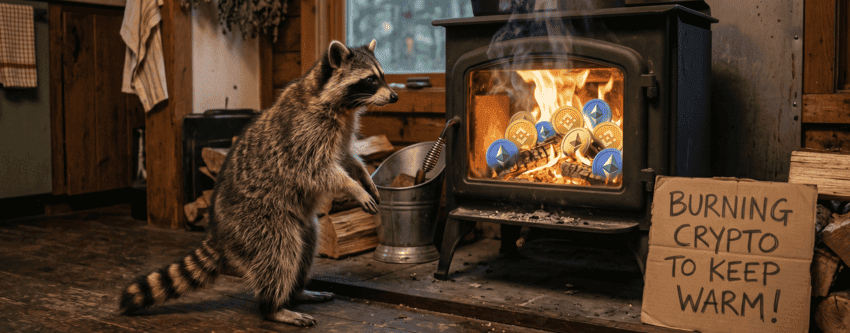
A queima de tokens é a remoção permanente de uma criptomoeda de sua oferta total.
Desenvolvedores ou protocolos enviam moedas para um endereço de queima (uma carteira projetada para receber tokens, mas da qual nada pode ser retirado). Assim que os tokens chegam lá, eles desaparecem para sempre. Em termos de criptomoedas, isso reduz a oferta em circulação, mantendo os tokens restantes matematicamente inalterados em seu valor individual.
O que a queima de tokens significa para a oferta de um projeto? Significa que o número total de moedas que podem circular é reduzido permanentemente. Algumas pessoas também encontram referências à “combustão de criptomoedas” online. O endereço de queima (endereço nulo) é uma carteira pública sem chave privada. Na Ethereum, o endereço de queima mais conhecido é 0x00...0dEaD. Qualquer pessoa pode verificar os valores queimados, pois todas as transações são públicas na cadeia.
Isso difere das moedas que são simplesmente perdidas ou abandonadas. Uma carteira perdida ainda mantém, tecnicamente, seus ativos na contagem total da oferta. Moedas queimadas são removidas de forma intencional e comprovável, e é por isso que os eventos de queima são anunciados e rastreados.
Como funciona a queima de tokens?
A mecânica de como queimar criptomoedas é simples em nível técnico. Uma carteira ou um contrato inteligente envia uma quantidade específica de tokens para um endereço de queima. Algumas queimas são automáticas e incorporadas ao código do protocolo. Outras são executadas manualmente pela equipe do projeto de acordo com um cronograma. Uma terceira categoria envolve a própria comunidade decidindo enviar tokens para um endereço de queima por meio de uma ação coordenada ou de uma taxa. Os projetos utilizam diversas ferramentas e métodos para gerenciar as queimas:
- Contratos inteligentes que encaminham automaticamente uma parte de cada taxa para um endereço de queima;
- Programas de recompra, nos quais uma empresa compra tokens no mercado e os destrói;
- Impostos sobre transações, nos quais uma porcentagem de cada transferência ponto a ponto é destinada à queima;
- Queimas manuais programadas e anunciadas com antecedência, geralmente trimestralmente ou por época;
- Queimas únicas em grande escala, realizadas no lançamento do token para ajustar a oferta inicial.
A taxa de queima em criptomoedas refere-se à rapidez com que um projeto está reduzindo sua oferta ao longo do tempo. Uma alta taxa de queima significa que uma grande parcela da oferta está sendo destruída por período, o que normalmente aumenta a escassez mais rapidamente. Uma baixa taxa de queima pode ter um impacto mínimo nos preços no curto prazo, mas ainda assim sinaliza uma gestão ativa da oferta.
3 principais formas pelas quais os projetos queimam tokens de criptomoedas
Nem todas as queimas funcionam da mesma maneira. Existem três níveis distintos nos quais a queima de tokens pode ser acionada: a camada de protocolo, a camada de plataforma e a camada de ecossistema:
| Mechanism | Level | Trigger | Examples | Deflationary Impact |
| Algorithmic Base-Fee Burn | Protocol | Every transaction | ETH, XRP | High |
| Corporate Buyback-and-Burn | Platform | Company revenue | BNB, BFG | Medium-High |
| Community Tax Burn | Ecosystem | Transaction or votes | SHIB, LUNC | Depends on community |
Como a ETH e a XRP queimam tokens a cada transação?
No nível do protocolo, a queima está incorporada à própria blockchain. Uma parte de cada taxa de transação é automaticamente destruída sem a necessidade de qualquer ação humana. Isso reduz gradualmente a oferta ao longo do tempo, tornando a ETH mais escassa à medida que a atividade da rede cresce.
A ETH (Ethereum) é o exemplo mais claro. Desde a introdução do EIP-1559 em agosto de 2021, a taxa básica de cada transação de ETH é queimada automaticamente. Até meados de 2025, mais de 4 milhões de ETH foram permanentemente removidos da oferta por meio desse mecanismo.
O XRP utiliza uma abordagem semelhante. Cada transação no XRP Ledger destrói uma pequena quantidade de ativos como taxa, em vez de pagá-la a qualquer minerador ou validador. Esse design foi intencional, criando uma deflação gradual e contínua diretamente ligada ao volume de transações.
Como o BNB e o BFG usam a receita para recomprar e queimar moedas?
As queimas no nível da plataforma são executadas pela empresa ou equipe por trás do projeto. Uma parte da receita da plataforma é usada para comprar tokens no mercado aberto, e esses tokens são então enviados para um endereço de queima. Isso requer confiança na equipe executora, mas oferece flexibilidade. Para os investidores, um cronograma de recompra e queima bem administrado é um sinal direto de que o projeto está aprimorando sua tokenômica.
A BNB (Binance Coin) opera um dos programas de recompra e queima mais proeminentes no mercado de criptomoedas. A Binance utiliza 20% de seus lucros trimestrais para recomprar BNB e queimá-la. O programa tem como meta reduzir a oferta total de BNB de 200 milhões para 100 milhões. A BNB também introduziu um mecanismo de queima automática em 2021, que ajusta os valores a serem queimados com base no preço do token e no número de blocos produzidos na BNB Smart Chain.
O BFG (token nativo da BetFury) segue um modelo semelhante de recompra e queima. A BetFury destina uma porcentagem definida da receita da plataforma para comprar BFG no mercado e removê-lo permanentemente da oferta. Leia dados detalhados sobre cada período de queima no histórico de queima do BFG.

Por que o SHIB permite que suas comunidades controlem a taxa de queima?
As queimas no nível do ecossistema são impulsionadas pela comunidade, e não por uma equipe central. As duas principais formas são as taxas de transação e as campanhas coordenadas de queima, nas quais os detentores de tokens enviam voluntariamente moedas para um endereço de queima.
O SHIB (Shiba Inu) é o exemplo mais notável de queima impulsionada pela comunidade. O SHIB foi lançado com um quatrilhão de tokens, e uma parcela enorme foi enviada para o endereço do cofundador da Ethereum, Vitalik Buterin, como uma brincadeira. Ele queimou 90% deles, removendo centenas de trilhões de SHIB da oferta em um dos maiores eventos de queima isolados do mundo das criptomoedas.
Esse mecanismo é o mais variável dos três. As queimas podem disparar durante ciclos de hype e desacelerar drasticamente durante mercados em baixa. Especialmente para tokens meme, o cronograma e a taxa de queima das criptomoedas são acompanhados de perto como sinais da saúde da comunidade.
Por que os projetos de criptomoedas queimam tokens?
A queima não é apenas uma tática de marketing. Ela cumpre funções econômicas reais dentro do ciclo de vida de um token. Três resultados explicam por que os projetos a utilizam consistentemente.
A queima reduz permanentemente a oferta total de tokens
A maioria dos tokens é lançada com uma oferta fixa ou limitada, mas muitos começam com muito mais moedas do que o necessário para uma circulação saudável. A queima é a principal ferramenta para reduzir a oferta total sem exigir alterações no protocolo de blockchain subjacente. O controle da oferta também é importante para a confiança. Quando um projeto anuncia um cronograma transparente de queima de moedas com verificação na cadeia, isso sinaliza que a equipe está gerenciando ativamente a economia dos tokens, em vez de deixar a oferta flutuar.
A escassez gerada pela queima pode estabilizar os preços das criptomoedas
A escassez é um fator fundamental que influencia os preços em qualquer mercado. Quando a oferta diminui e a demanda permanece constante ou cresce, a pressão sobre os preços tende a ser de alta. A queima cria escassez, o que pode sustentar os preços se a demanda permanecer estável ou aumentar. Por exemplo, as queimas desempenham um papel estabilizador para as stablecoins.
Programas transparentes de queima geram confiança dos investidores
Eventos de queima geram engajamento genuíno. Por exemplo, quando a Binance anuncia uma queima trimestral de BNB, a comunidade de criptomoedas fica atenta. A confiança dos investidores também é reforçada pela irreversibilidade das queimas. Ao contrário de uma carteira da equipe que mantém tokens reservados, os tokens queimados não podem retornar. Essa certeza é importante em um mercado onde promessas não cumpridas são comuns.
A queima de criptomoedas aumenta o valor? Como as queimas afetam os preços
A resposta honesta é que isso depende de vários fatores que interagem entre si. A queima reduz mecanicamente a oferta, mas não é automático que isso se traduza em valorização do preço. Veja como a mecânica realmente funciona:
- A redução da oferta cria pressão de alta nos preços. Quando há menos tokens e a demanda permanece a mesma, os princípios básicos de oferta e demanda da economia empurram os preços para cima. Essa é a premissa central por trás de todo programa de queima.
- Os eventos de queima mudam a percepção do mercado. Anúncios de grandes queimas costumam desencadear movimentos de preço de curto prazo, mesmo antes que a transação na cadeia seja concluída. Isso é a psicologia do mercado em ação.
- A escala é extremamente importante. Queimar 0,001% da oferta tem impacto insignificante sobre o preço. Queimar de 5% a 10% ao longo de um ano gera uma deflação mensurável.
- As condições do mercado definem a linha de base. Um token pode executar um programa de queima agressivo e ainda assim sofrer queda em um mercado de criptomoedas amplamente em baixa.
- Os fundamentos do projeto determinam o preço no longo prazo. Uma queima realizada por um projeto sem usuários, sem receita e sem roteiro não sustentará uma alta nos preços. Especificamente para modelos de recompra e queima, a queima só terá força na medida em que a receita que a financia for robusta.
Queima de tokens: principais lições para os detentores de tokens
A queima de tokens é uma das ferramentas mais diretas que um projeto de criptomoedas possui para gerenciar a oferta, sinalizar confiança e sustentar o valor do token no longo prazo. Seja por meio de recompra automática no nível do protocolo, recompra corporativa ou campanha impulsionada pela comunidade, o mecanismo central é sempre o mesmo: menos tokens, de forma permanente. Quanto ao impacto no preço, ele é real, mas não garantido isoladamente. A queima funciona melhor quando ocorre no âmbito de um projeto que tenha utilidade e receita.
Perguntas frequentes sobre a queima de criptomoedas
- Qual é a diferença entre a queima de tokens e o congelamento de criptomoedas?
A queima remove permanentemente os tokens da oferta, enviando-os para um endereço incontrolável. O congelamento bloqueia os tokens em uma carteira ou contrato inteligente, mas não os destrói. Assim, a queima é irreversível, enquanto o congelamento não é. - As criptomoedas queimadas podem ser recuperadas ou revertidas?
Não. Uma vez que os tokens são enviados para um endereço de queima, eles não podem ser recuperados. Os endereços de queima são projetados sem chave privada, o que significa que nenhuma entidade no mundo pode autorizar transações de saída a partir deles. - O que é uma boa taxa de queima em criptomoedas e como posso avaliá-la?
Não existe um parâmetro universal, mas uma taxa de queima significativa em criptomoedas é normalmente medida como uma porcentagem do estoque total ou circulante queimado por ano. Uma taxa acima de 2 a 5% ao ano tem um impacto visível no estoque. - Todas as criptomoedas possuem um mecanismo de queima?
Não. O Bitcoin não possui mecanismo de queima. Sua oferta é fixada em 21 milhões por meio das regras do protocolo. Muitas altcoins também não possuem programa de queima. A queima é mais comum em tokens com grandes ofertas iniciais, tokens de plataforma cuja receita pode financiar recompras e tokens comunitários que visam gerenciar ofertas iniciais hiperinflacionárias. - A queima de criptomoedas é o mesmo que o consenso de “prova de queima” (proof-of-burn)?
A “prova de queima” é um mecanismo de consenso em que mineradores ou validadores comprovam seu compromisso queimando moedas, ganhando o direito de minerar novos blocos. É conceitualmente relacionado, mas funcionalmente diferente das queimas para redução da oferta. As queimas de oferta reduzem o total de tokens para fins econômicos. A “prova de queima” utiliza a destruição de tokens como um recurso competitivo para validar transações.